

Planning to write a non-fiction book? Fantastic. But if you’re aiming for a traditional publisher, don’t open a blank document just yet. You’ll need a proposal (and possibly an agent) before you start writing chapters. A solid competitive analysis is one of the most persuasive parts of that proposal. It not only strengthens your pitch; it can reshape your thinking about the topic, the angle, and even the structure of your book. When you understand the book landscape you’re entering, you can position your project as a winner, even on a very crowded shelf.
Find Your Competitive Set
Before you can differentiate your book, you need to know who else is already connecting with your readers. While not much data is publicly available about book sales, there are plenty of places you can look for related books, like library catalogs, best-seller lists, and GoodReads. My go-to is Amazon books, for a couple of reasons. First, they have huge market share, so a high ranking on Amazon or thousands of reader reviews are good indicators that the book has sold well. Second, features like Advanced Search and rankings in topic categories make the research fast and simple.
When looking for books to list, depending on the topic, you may want to limit your search to books published in the last three years. The book market changes rapidly, and books that sold well five years ago may not be relevant today. Also, focus on books that have sold well and become bestsellers or won awards. Positioning your book against successful books will signal a strong audience and help demonstrate market viability. Look for books that orbit your topic; those that are close enough to matter, but different enough to leave space for your unique angle.
Collect Data
Once you’ve identified the titles that stand out in your space, it’s time to gather the details and think about where your book fits. Each publisher has different proposal requirements, but if you offer the following information for each competitive title, you’ll likely have all the bases covered.
Title
Authors
Page count
Publisher name
Pub date (month/year or just year).
Brief synopsis of book—what is its core angle or promise? Why is it popular? What topics will you cover that this title hasn’t? What criticisms are repeated in reviews? What new audiences does your book serve? You don’t want to be overly critical of the competing book, so maintain focus on how your book adds to the narrative. It’s critical to make people reading your proposal readily see the anwer to “why this book now”?
Note: In addition to your book competing with other books, in a way, you are competing with other authors as an expert on this topic. However, the Competition section is not a place for takedowns. Keep the focus on what yours adds. Instead, use the Author Bio section of the proposal to highlight why you are the right person to write this book.
If you are pitching to a particular publisher, you may want to add a Complimentary Titles section to your proposal as well, focusing on the books they already offer that are similar to the book you are pitching. All the information you list will be the same, but in the synopsis section, emphasize how your book is the natural one to read before or after the complimentary book. Show the synergy between your book and what the publisher already offers.
Use What You’ve Learned
When you are researching titles, you may find that the topic and approach you envisioned is pretty close to a book that is already out there. If you dig a bit, though, you may also uncover areas that other authors have not touched on or an audience that hasn’t been served. Use the clues you find in researching competition to revise your overview and outline so the need and unique value of your becomes crystal clear.
If you’re unsure whether a competing book overlaps too closely, dig deeper. Maybe you’ve read the description and browsed reviews but the relationship still isn’t clear. Sometimes the only way to know is to skim or read the competing book. If you don’t want to buy it, check your local library. I have found most books I’m curious about are available from my library. These days, all libraries have apps like Libby where you can read a digital copy or listen to an audio book without stepping foot in the library.
Takeway
Competitive analysis is about understanding the ecosystem you’re stepping into. When you know what has already been said, and where readers still have unanswered questions, you can shape a book that genuinely adds value. Enter the conversation with clarity and intention.
Let the patterns in the market sharpen your angle, refine your outline, and strengthen your proposal. A well-researched competition section shows agents and publishers that you understand your audience, the topic space, and the market potential.
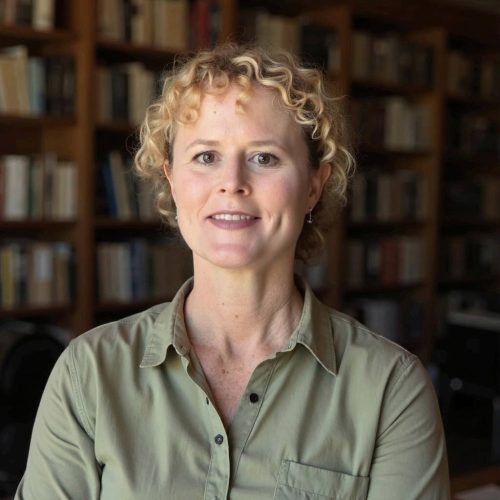
About Margaret Eldridge
Margaret Eldridge has decades of experience coaching authors and evaluating book proposals with publishers like Wiley, Manning, and The Pragmatic Programmers, and she has an insider’s understanding of what makes an idea stand out in a crowded marketplace.
