

Energize Nonfiction One Verb at a Time
Jack Kerouac famously taped sheets of paper together so he could pound out On The Road uninterrupted at 100 words a minute in a marathon session fueled by caffeine and Benzedrine. Hunter S. Thompson was immortalized for writing parts of Fear and Loathing in Las Vegas while barreling down the road in a convertible. The resulting mythology is that writing is a spontaneous endeavor, and that classic tomes issue forth fully formed. The truth is far less glamorous and more painful. If you want to disabuse yourself of this immaculate birth mythology about books, watch Genius, the 2016 film about Thomas Wolfe and his editor Max Perkins working on Look Homeward, Angel.
Max Perkins was a rarity in publishing, even in his time. His editorial genius was that he could see, through a pile of words, a book that would resonate with readers and sell. More often today, when editors consider a manuscript, it must fit their list and arrive with a modicum of polish already in place. Economic pressure, tighter margins, the involvement of agents, and other industry pressures heralded this shift.
Outside of traditional publishing, the simple and low cost paths to self-publishing also push writers to take on more of their own editorial work. Editing is a skill made of many layers, from big picture concerns like structure to sentence-level revisions, which can feel overwhelming. Luckily, as with most skills, writers can master techniques one at a time, gradually assembling their editorial toolkits.
My method is to skim an entire piece to get a sense of the work to be done. From there, I take a multi-pass approach, addressing a single issue each time. For example, I might massage headings so that they use consistent capitalization and syntax, and then march on to passive voice patrol. My own writing tends to fall on the page with verbs that plod along. Recognizing that, I can draft quickly, and then return to give the verbs some vigor.
Verb choice is a quiet but decisive way to give (or take) energy from nonfiction writing. Verbs have the power to jumpstart interest in an idea or drive readers to apathy. Certainly other factors contribute, but because nonfiction deals in explanations, summaries, and abstractions, verbs carry much of the load that imagery does in fiction. Consider the following sentences.
The Harvard study appears to suggest that inflation is tied to consumer sentiment and monetary policy.
The Harvard study reveals that consumer sentiment and monetary policy influence inflation.
In the first draft, “appears to suggest” is hedged, weak, and piles on extra words without any action. The verb phrase “is tied to” is vague and passive, failing to convey an active connection.
In the revision, “reveals” is active and authoritative, lending the study agency and a sense of discovery. The choice of “influence” brings a clear, direct cause and effect, energizing the statement.
Ready to edit another example?
Before: Coffee flavor is affected by roast level and bean origin.
After: Slow, careful sips of coffee reveal how roast level and bean origin shape the flavor.
Notice in the draft how passive and abstract the sentence feels. The facts appear, but without engagement.
In the revision, people are present, inhaling the coffee aroma and noticing the depth of flavors. You are giving readers a more immersive experience. Simple verb choice and a bit of reader involvement turns a flat statement into an engaging, energetic line.
Notice the editing strategy. Replace passive or abstract verbs phrases with active, observable verbs. Allow the reader to occupy the subject position (*you* sip). Keep sentences concrete, focusing on direct experiences of people.
When revising verbs in your own nonfiction, ask:
- What action drives this sentence?
- Does the verb express that action clearly, or does it obscure it?
- Could a specific, strong verb replace a weak verb-noun phrase?
- Does the verb contribute to imagery, momentum, or rhythm in the sentence?
- Could a less common, more precise verb intensify the impact?
If you aren’t accustomed to editing your own work, underline the verbs in a paragraph, apply each question, and then revise accordingly. Run through the questions again on the revision. Does the paragraph convey the level of action and energy you want? If not, try a new verb. We have plenty to choose from.
Verbs give nonfiction its sense of motion and control. Strong verbs energize sentences, assign agency, and draw readers into your ideas. By choosing and refining verbs, you’ll craft work that comes alive and engages readers, and only you will know about the careful labor behind every line.
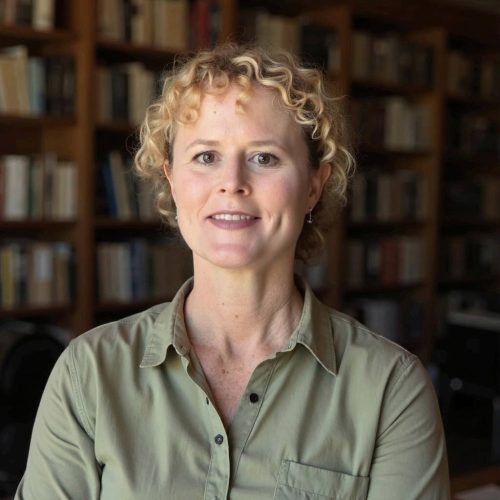
About Margaret Eldridge
Margaret Eldridge has decades of experience coaching authors and evaluating book proposals with publishers like Wiley, Manning, and The Pragmatic Programmers, and she has an insider’s understanding of what makes an idea stand out in a crowded marketplace.
