

Become a One-Person Media Empire
When I was a student in the mid 90s, pursuing a career in journalism or other forms of writing was a much more straightforward endeavor than it is now. A notebook and a pencil were all I needed for class. The focus of my education was to read what others wrote and try to write something meaningful myself with a focus on simple things like facts, correct grammar, and clarity of ideas. Those days are gone. Today’s aspiring writers carry laptops and video cameras while harboring a creeping anxiety that their teenage TikTok content might follow them into the work world and undermine their credibility.
Courses are no longer limited to great authors, ethics, and AP style. You still need ethics 101, but now the lessons include “don’t use AI and pass it off as your own work”, and “avoid the urge to contribute to clickbait.” You’ll need to learn social media marketing and the digital tools of the day to promote your work. You’ll also need to be funny, be real, and use emojis with care. Become a data analysis expert so you can show trends from reliable sources using glossy charts and network diagrams. Master multimedia so you can easily switch gears from writing a newsletter to hosting a video podcast. By graduation, you’ll be a one-person media studio, ready to fact-check, tweet, shoot, edit, and survive on energy drinks or espresso shots.
Budding writers face a tough job market in the 2020s. Traditional jobs (like newspaper reporter) still exist, but entry-level roles are scarce, poorly paid, and fiercely competitive. But maybe there is a silver lining. With writing skills and an online presence, a skilled writer can readily launch a startup business. You can author and self-publish a book, write a Substack newsletter, curate a daily digest like 1440, or build your own hybrid brand connecting directly with readers. Freelance, podcast, monetize—your adventure awaits. Those independent options were not there for me, so I pounded the pavement in the middle of a blizzard in NYC to find my first job at John Wiley and Sons on Third Ave. Oh, and I walked uphill both ways.
To be real, the skill set writers need hasn’t changed entirely: ethics, clarity, trust, and storytelling remain central. But the format has changed. The modern writer is part reporter, part analyst, part entrepreneur, and part social media strategist. Your audience doesn’t just read your stories; they subscribe, comment, and share. Credibility is currency, your byline is your brand, and your newsletter might just be your empire.
It’s true that writing is more of an obstacle course than a career when you throw in things like politics, public mistrust of the media, and artificial intelligence. But you still have the potential for freedom of expression, creativity, and the chance to build something meaningful from scratch. If all else fails, at least your degree has trained you to fact-check tweets before reposting.
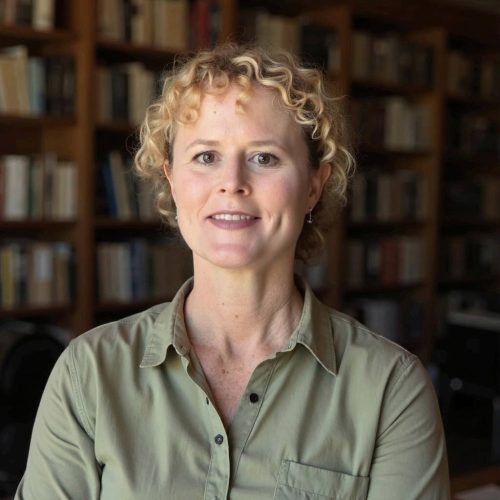
About Margaret Eldridge
Margaret Eldridge has decades of experience coaching authors and evaluating book proposals with publishers like Wiley, Manning, and The Pragmatic Programmers, and she has an insider’s understanding of what makes an idea stand out in a crowded marketplace.
