

Defining Scope in Nonfiction
The last blog post I wrote took much longer to draft than average. I really struggled and couldn’t figure out why. The topic was “Using Techniques from Fiction and Poetry in Non-fiction.” The piece started with a self-pitying story about the demise of technical writing, and then waffled off into a lament about AI and authenticity. I purposefully wrote it in my new journal to reconnect with authentic writing and remove the temptations of using modern tools as a crutch. However, nothing was working. I hated the piece. I even wondered if I’d lost the ability to think without a keyboard under my fingers. None of it felt natural, the words failed to flow, ideas felt tenuously connected. Then I got to the section on poetry, and something clicked. The ideas jelled, I found a fantastic flow, good examples, and the right level of detail. What was going on?
Normally, when diagnosing problems with writing, I start with the audience. Who is the author writing for? Can I tell? If not, I move to questions like, “who are you writing for?” and “what problem are you trying to address?” Granted, I’m much better at analyzing other people’s writing than my own. It’s hard to take that big step back. But when I asked who I was writing for, the audience was clear: intermediate non-fiction writers who want to spice up their prose. So what was the nature of my problem?
In a word, scope. I was trying to talk about too many different topics. Once I zoomed in on poetic devices, I was able to write a piece that made sense for the audience, the format (a blog post), and the purpose (to spark interest in using devices from outside a typical non-fiction wheelhouse). Why is scope so difficult (at least for me)?
Coming from a background of technical writing about software, you’d think scope would come naturally to me. I can interview a client and write a technical scope document for a new feature, no problem. Nine point nine nine times out of ten, the developers understand it and the resulting feature does exactly what the client asked. Scoping a creative writing project, though, can still be paralyzing. It’s a bit like being at a potluck dinner. I load up my plate with everything that looks good, and then once I sit down, I think, “What have I here?” I sample a bit of everything, push a few things aside, and maybe even spit into my napkin when I discover they put meat in the green beans (why?). Done with the meal, I know (in retrospect) that I should have taken three things and left the rest. How was I to know?
Part of the answer is good planning. Know who your audience is, what problem they are trying to solve, and what part of that you have the space to address in the chosen format. Part of the answer is also expertise and interest. I am much more interested in and experienced with writing poetry compared to fiction. Expertise allows you to write with confidence and a certain level of extemporaneousness. Words roll out seemingly without effort.
I keep thinking of the speech that Marisa Tomei gives in the 90s movie, My Cousin Vinny, “The car that made these two equal-length tire marks had positraction. You can’t make those marks without positraction, which was not available on the ’64 Buick Skylark!” Her character, Mona Lisa Vito, grew up in a family of mechanics and worked in her father’s garage, so that expertise made the answer easy (and obvious) to her. Of course it’s funny because she so easily dismantles sexist assumptions, turning the prejudices themselves into a source of laughter.
Without that expertise, you can still write knowledgeably about a topic and scope it appropriately, but more up-front work is required. Do the work to define your audience, state the purpose, and decide on a format. You may also need to refresh or bolster your knowledge with articles or books, research some statistics, or create a mental map. Make a list of points to cover, craft an outline, or even have a subject matter expert review your plan. These are all strategies to properly scope non-fiction writing. Will I take my own advice?
Maybe. There are other challenges writers face, like time and the creative process. Sometimes time constraints, like the idea that a blog post shouldn’t take more than an hour to write, prevent us from following best practices for scoping a piece. And sometimes staring at the mess you’ve made does actually spark better ideas and allow you to get to the piece you wanted to write from the start.
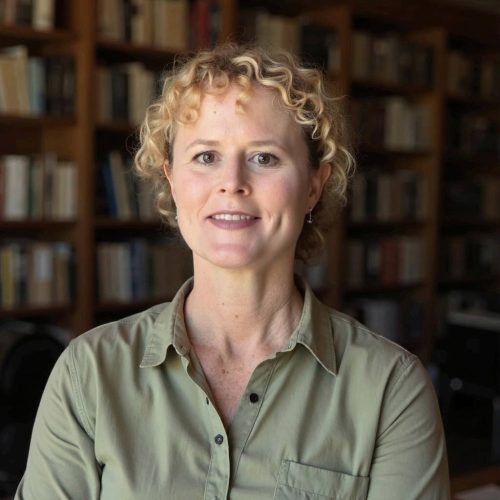
About Margaret Eldridge
Margaret Eldridge has decades of experience coaching authors and evaluating book proposals with publishers like Wiley, Manning, and The Pragmatic Programmers, and she has an insider’s understanding of what makes an idea stand out in a crowded marketplace.
