

Who Are You Writing For?
A memoir loses luster if you haven’t decided whether it’s for your peers or for posterity. A cookbook can fall flat when you waffle between expert techniques and nostalgic storytelling. A history book risks being buried under detail if you’re unsure whether your goal is to inform or persuade.
The common thread? An unclear audience.
When you pitch a proposal to agents or publishers, one element they look for is an audience description. This short statement defines the relationship between you and readers. Your audience statement is more than just a pitch tool. It can become a guidepost that you check in with as you write to maintain focus.
On the surface, an audience statement is simple. At a deeper level, it’s an empathy test.
Try answering the following questions:
- What problem does your content help people solve?
- What do they already know?
- How will they feel when they reach the last words?
When you answer these questions honestly and with care, the story comes into focus because the audience is central. Tone, scope, and structure fall into place. Your voice resonates and your hand steadies.
It’s true that defining an audience requires exclusion, and exclusion can feel wrong. For example, when you say, “This book is for people navigating midlife transitions,” you’re excluding people just starting out. But focus is your goal, and clarity builds trust. Readers don’t want to be part of a faceless mass; they want to feel seen.
Clearly defining your audience is a powerful writing tool in nonfiction. Think of it as a way of saying, “I see you, and I made this for you.”
What’s the Next Step?
If you want hands-on practice writing an audience statement, reach out to margaret@field15.com. Writing an audience statement could be the focus of our next workshop.
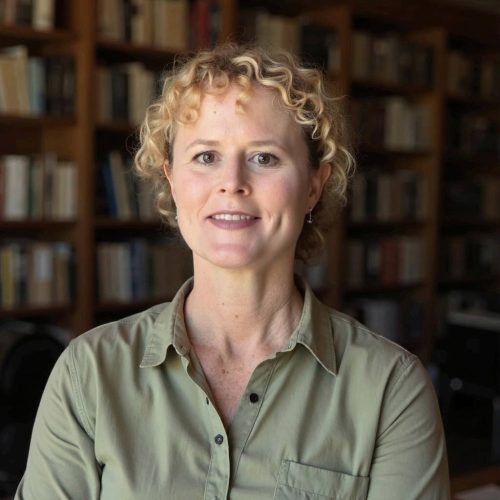
About Margaret Eldridge
Margaret Eldridge has decades of experience coaching authors and evaluating book proposals with publishers like Wiley, Manning, and The Pragmatic Programmers, and she has an insider’s understanding of what makes an idea stand out in a crowded marketplace.
