

Preparing to Pitch: Think Like a Publisher Before You Write
When I first entered tech publishing in New York, I assumed the work would be orderly and transactional. Manuscripts would arrive. Decisions would be made. Books would move down a clean, predictable path. What I found instead was something far messier, and far more human.
Authors brought not just ideas, but lives with them: careers in flux, illnesses, family crises, moments of deep uncertainty. Editing often meant listening as much as revising. Those early experiences shaped how I work with writers, especially at the proposal stage, which can feel opaque and intimidating if you’ve never been through it before.
Publishing isn’t uniformly kind or cruel. Some people are generous with their time and insight; others less so. The most reliable way to navigate the uncertainty of pitching an idea is preparation.
Writing a book is a long emotional arc. You’ll find excitement in shaping an idea, satisfaction in seeing pages accumulate, and pride in holding a finished book. Along the way, you may also encounter rejection. Unless you plan to self-publish, your first hurdle is convincing a publisher to say yes. While there are no guarantees, you can significantly improve your chances by understanding (and delivering) what publishers seek.
Before you write a chapter or start on a proposal, there’s some big-picture homework to face. If you’re aiming for a traditional publisher, you need to understand the landscape. Start by looking at books related to your topic. Pay attention to what already exists, who published it, and how it’s framed. Sometimes this research will strengthen your idea. Other times, it uncovers an end point.
For example, at one time I wanted to write a book about female inventors, with the working title She Invented That. Before I started researching inventors, I stepped back and examined the competitive landscape. I found several similar books, including titles for children. More importantly, I realized I didn’t have a new lens or previously untold stories to add. The most productive path was to stop. Just a bit of research saved me time and energy, and I felt a sense of clarity rather than failure.
As you examine related titles, take notes. You want to gather information, but also build a picture of where your book might live. Useful details to note include: title and author; publisher and imprint; publication year; page count; and intended audience and level. You’ll also want to include a brief description of the book and what it promises.
Patterns will emerge. You’ll start to see which publishers consistently invest in your topic area and how they position similar books. Those publishers (often specific imprints within them) are the most logical places to pitch. If you look at copyright or acknowledgments pages, you may even find the name of the acquisitions editor who worked on the book.
Once you’ve identified publishers already active in your space, spend time with their catalogs and submission guidelines. Some accept proposals directly from authors; others require an agent. Most have very specific requirements. Publisher guidelines tell you what that publisher values. While the mechanics vary, publishers tend to evaluate proposals through a similar set of questions.
What problem does this book solve?
Non-fiction readers are looking for answers, insight, or orientation. In a sentence or two, articulate what question your book addresses and why it matters.
Why this book now?
Timing matters. Cultural, political, technological, or industry shifts can make certain ideas feel urgent. Many successful books resonate because they arrive when readers are already talking about the topic.
Who is this book for?
Specificity strengthens credibility. A claim that a book is for everyone is a red flag. A focused audience statement that includes what readers already know and what questions your book answers helps editors understand if the book is needed.
Where does it fit in the market?
Name three to five comparable titles from recent years and explain how your book is similar and meaningfully different. Keep in mind that your goal is to provide context, not criticism. You want to show how your book adds something new to an existing conversation. Avoid exaggerated claims about being the “only” or “first” book to address a topic. Editors are wary of absolutes.
Why are you the right author?
Authority can come from many places: professional experience, access, reporting, lived perspective, or an established relationship with an audience. Make the case that you are the best person to address this topic.
What will the book look like?
A clear overview and outline demonstrate that the idea warrants a full book. If a publisher asks for a writing sample, choose a chapter that delivers on the core promise of your book. Avoid introductory material; submit a section where your thinking and voice are full display.
Keep in mind that editors evaluate hundreds of proposals each year. Clear answers to all of these questions will make your proposal stand out. Don’t despair if a response is brief or not immediately forthcoming. When an editor does offer specific feedback, pay attention. Thoughtful feedback usually signals interest, even if the project isn’t right for the particular editor’s list. Revise and resubmit if the editor suggests that.
Revision is part of a process that often leads to a different path. Sometimes it means reshaping your idea into another form entirely, like articles, talks, courses, or other work that builds toward a book later.
Preparation doesn’t eliminate rejection, but approaching a publisher with intention, clarity (and a thick skin) will make the process less frustrating. Pitching your idea may even be a valuable learning experience.
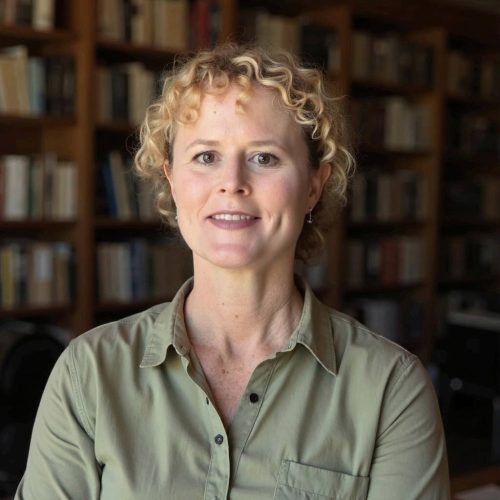
About Margaret Eldridge
Margaret Eldridge has decades of experience coaching authors and evaluating book proposals with publishers like Wiley, Manning, and The Pragmatic Programmers, and she has an insider’s understanding of what makes an idea stand out in a crowded marketplace.
